
Define Your Agent's Goal
Clearly articulate the specific problem your AI agent needs to solve. A well-defined objective prevents scope creep and ensures focused development, leading to more effective solutions and measurable outcomes.
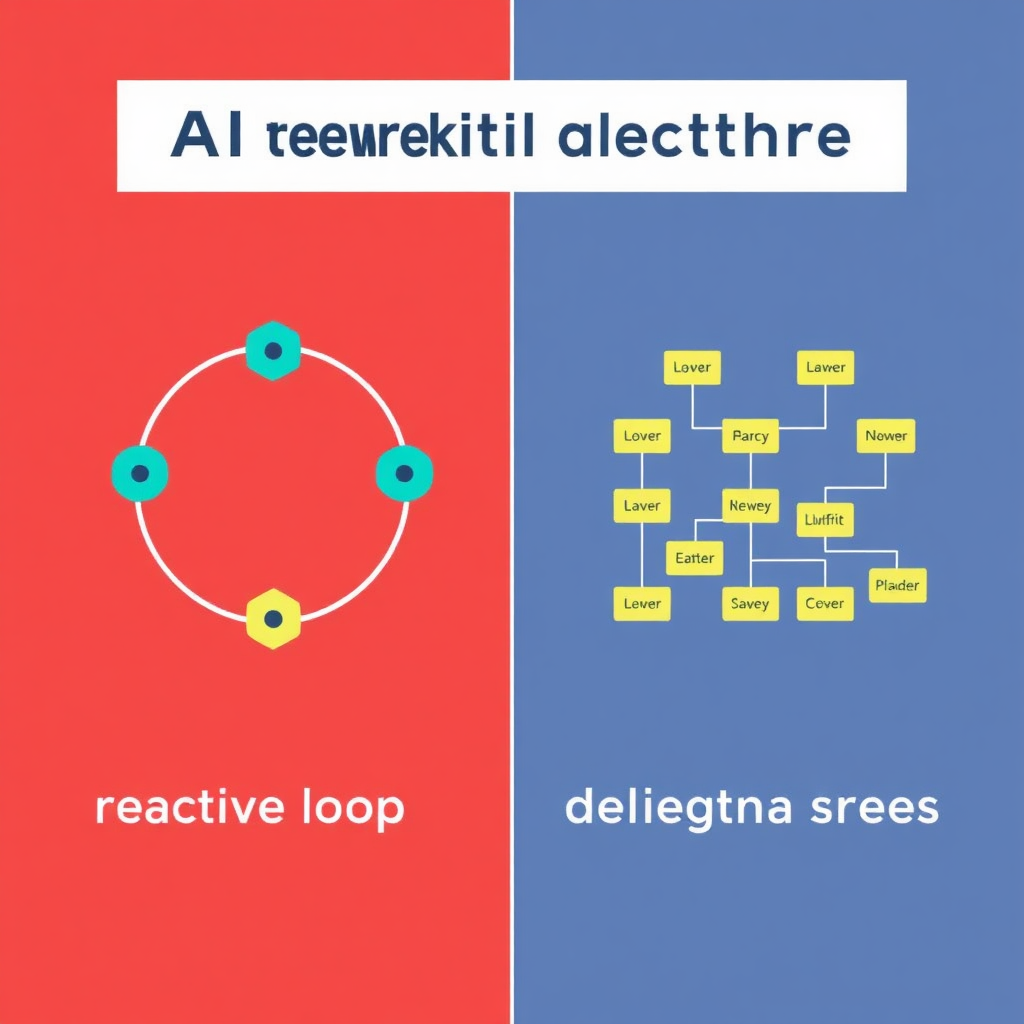
Choose the Right Architecture
Select an AI agent architecture (e.g., reactive, deliberative, goal-oriented) that best matches your task complexity and required autonomy. This choice significantly impacts performance and adaptability.

Iterate and Refine Performance
Continuously test and evaluate your AI agent's performance against defined metrics. Use feedback loops to identify weaknesses and iteratively improve its decision-making and action execution.
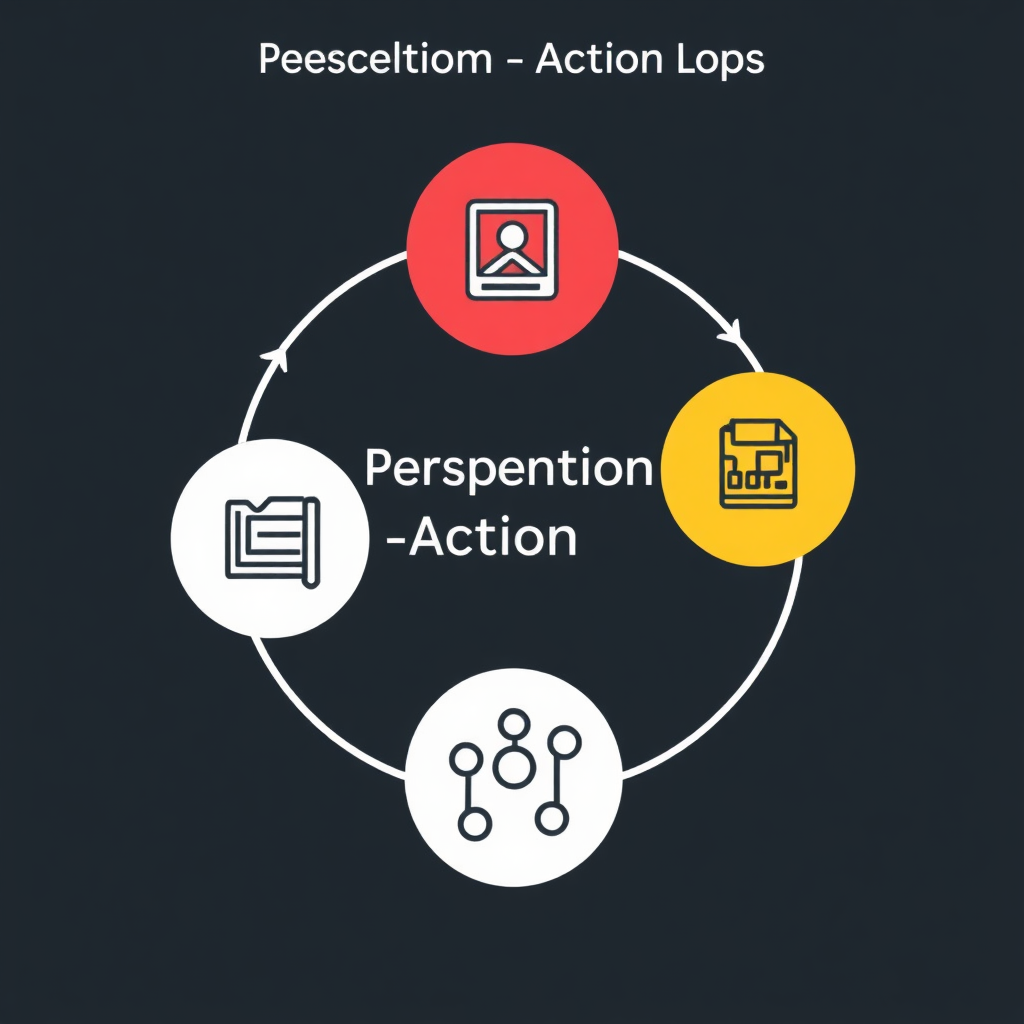
Perception and Action Loop
AI agents perceive their environment through sensors and act upon it using effectors. This continuous perception-action cycle is fundamental to their operation and interaction.

Autonomy and Decision-Making
Agents exhibit autonomy by making decisions and taking actions without direct human intervention. Their intelligence lies in their ability to adapt and choose optimal actions.

Environment Interaction
Agents operate within specific environments, which can be physical or virtual. Understanding the environment's characteristics is crucial for designing effective agent behaviors.
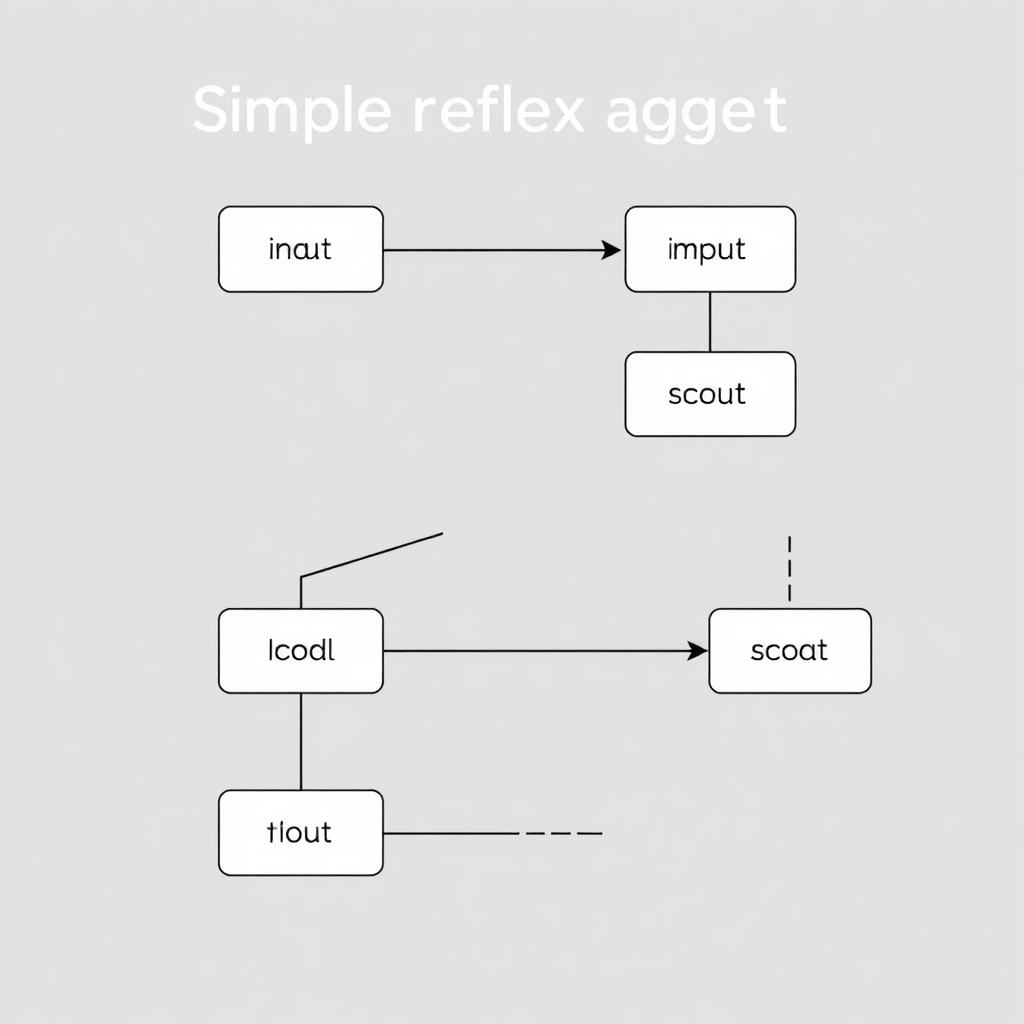
Simple Reflex Agents
These agents act solely based on current perceptions, ignoring history. They are suitable for simple, predictable environments where immediate responses are key.

Goal-Based Agents
These agents consider future states and goals. They plan sequences of actions to achieve desired outcomes, making them more sophisticated.
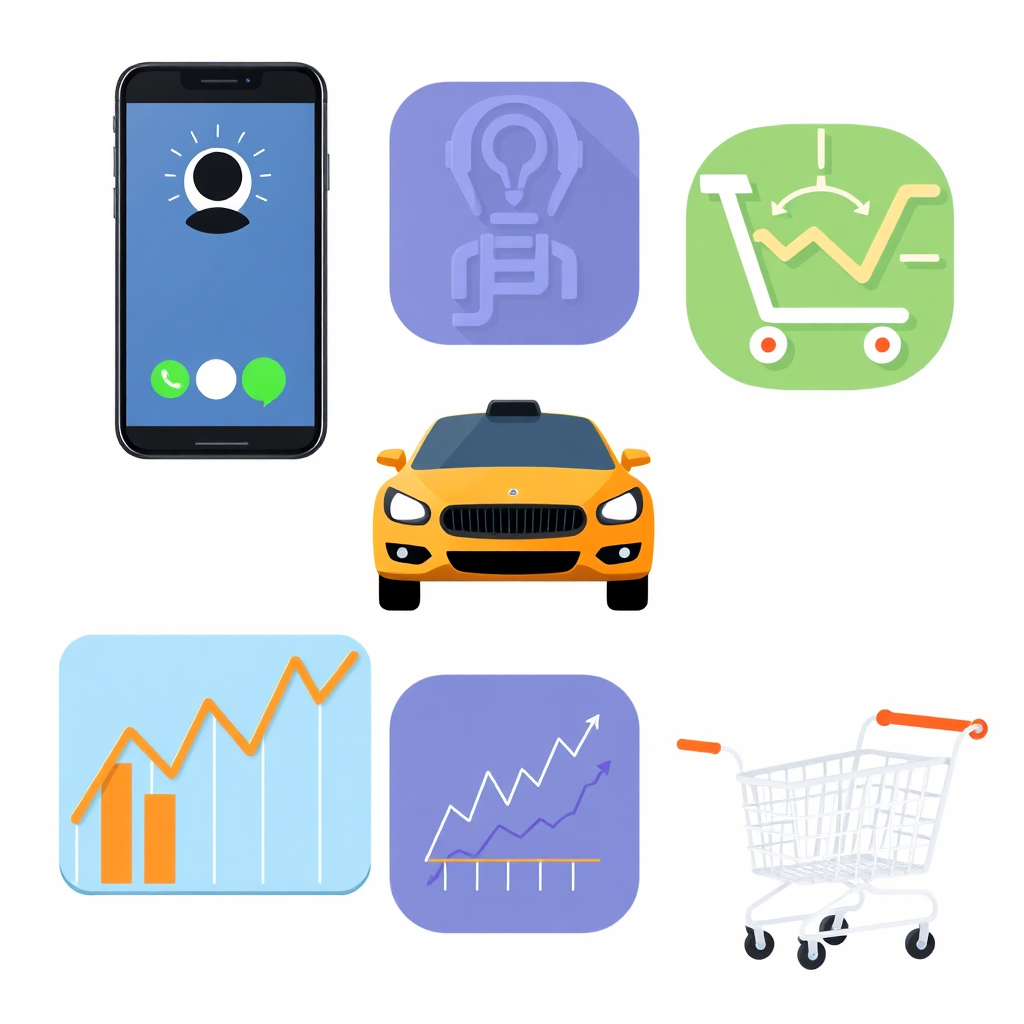
Applications Across Industries
AI agents power applications from virtual assistants and autonomous vehicles to complex financial trading systems and personalized recommendation engines.