Demystifying Enterprise AI Agent Architecture
Understand the fundamental purpose of each AI agent, focusing on its specific task, decision-making logic, and interaction protocols. This ensures alignment with overall business objectives and prevents redundant capabilities.
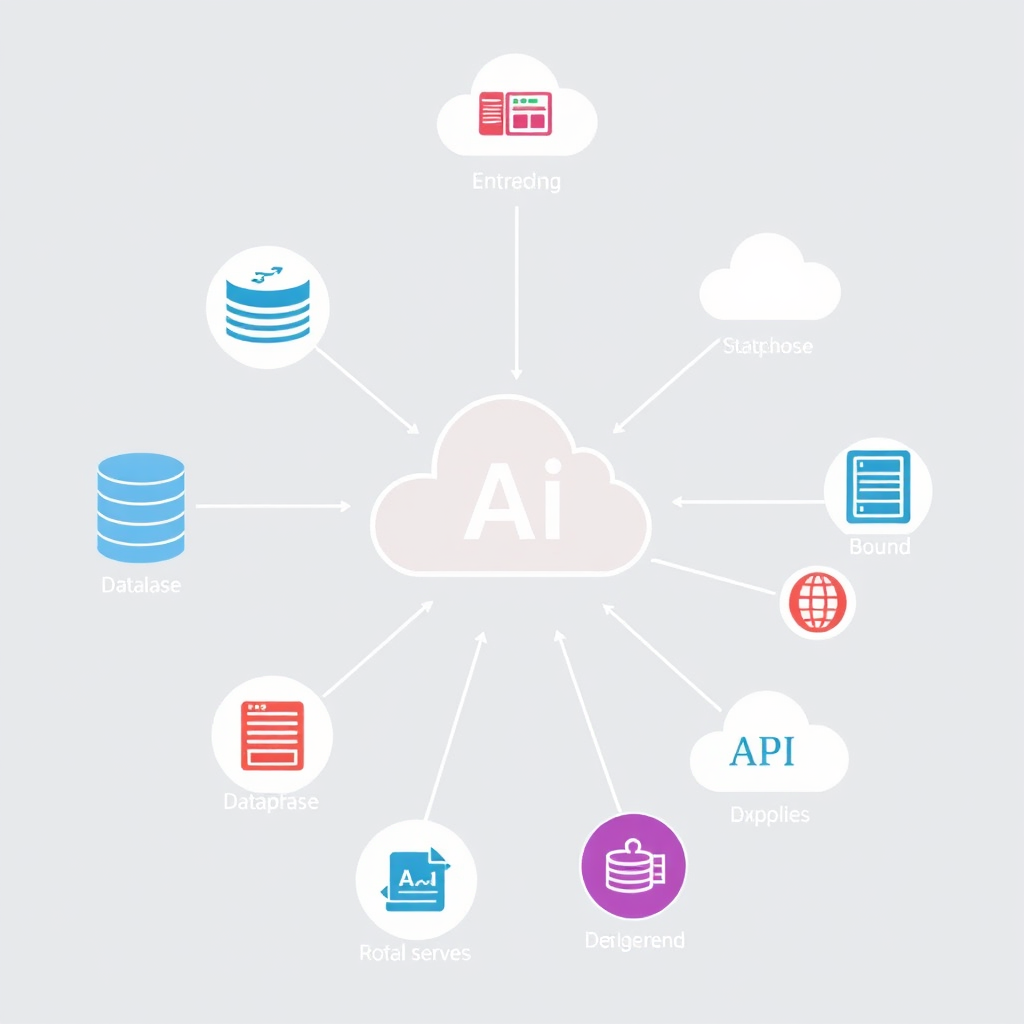
Establish robust connections to diverse enterprise data streams, including databases, APIs, and real-time feeds. Effective integration ensures agents have access to accurate, up-to-date information for optimal performance.
Design mechanisms for agents to communicate, share information, and coordinate actions. This collaborative framework is crucial for complex tasks requiring multiple agents working in concert.
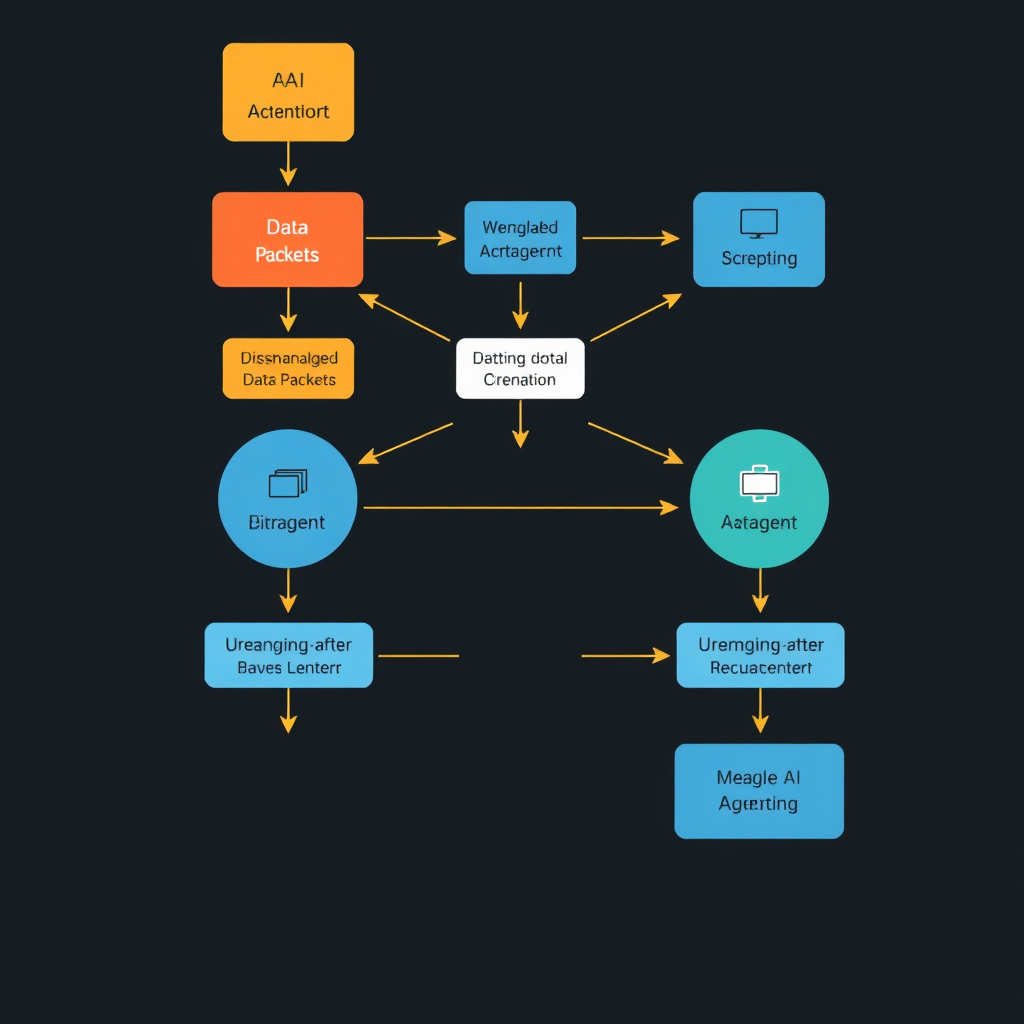
Key Components of Enterprise AI Agents
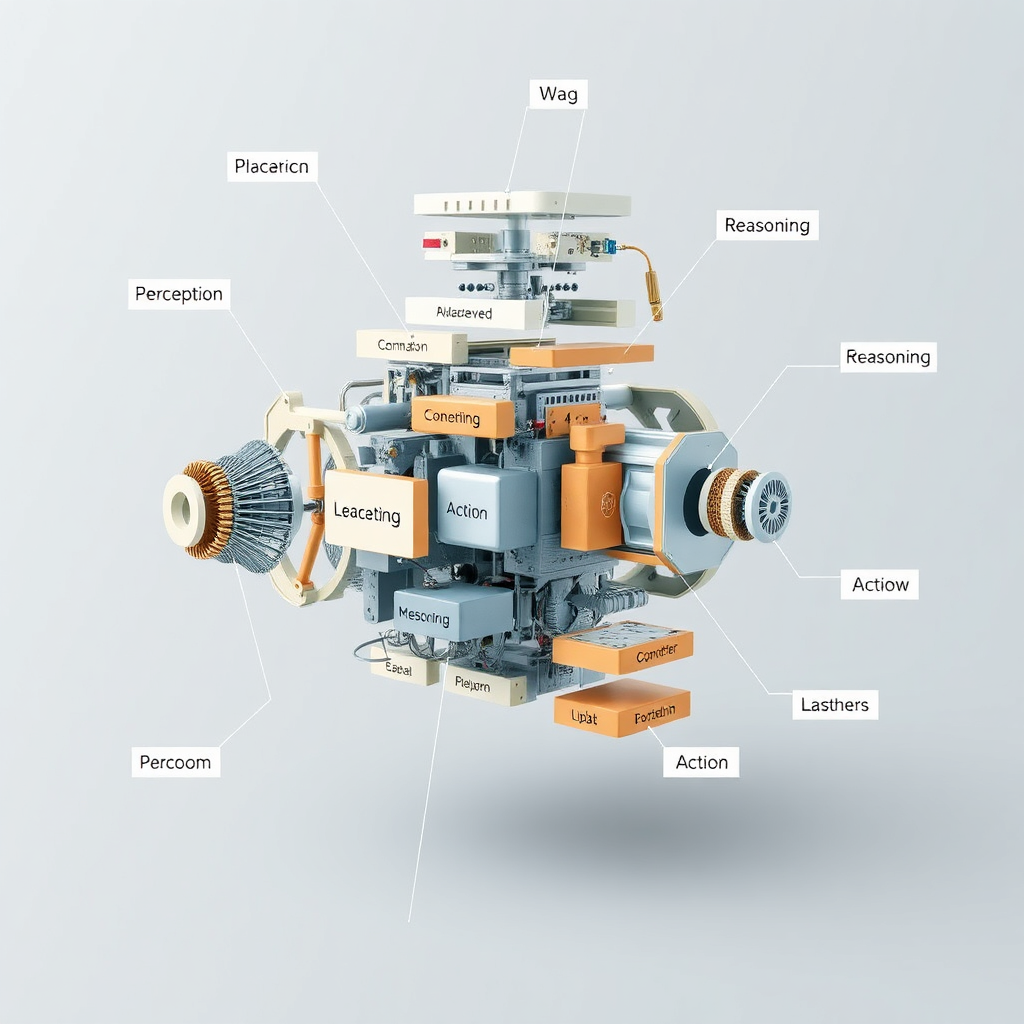
These modules enable agents to gather information from their environment, whether digital or physical. They process raw data into meaningful inputs for the agent's decision-making processes.

The brain of the agent, these components analyze perceived information, apply learned models, and determine the best course of action. This includes planning, problem-solving, and learning capabilities.
These interfaces allow agents to interact with the external world by performing tasks, such as sending emails, updating databases, or controlling physical systems. They translate decisions into tangible actions.

Building Blocks of AI Agent Systems
Adopt a modular approach to development, where each component (perception, reasoning, action) is a distinct, interchangeable module. This enhances flexibility, scalability, and maintainability of the system.

Implement communication protocols that can handle a high volume of messages between agents and with external systems. This ensures efficient information exchange as the system grows.
Incorporate comprehensive error detection and recovery mechanisms. This ensures system stability and reliability, allowing agents to gracefully handle unexpected situations or failures.